
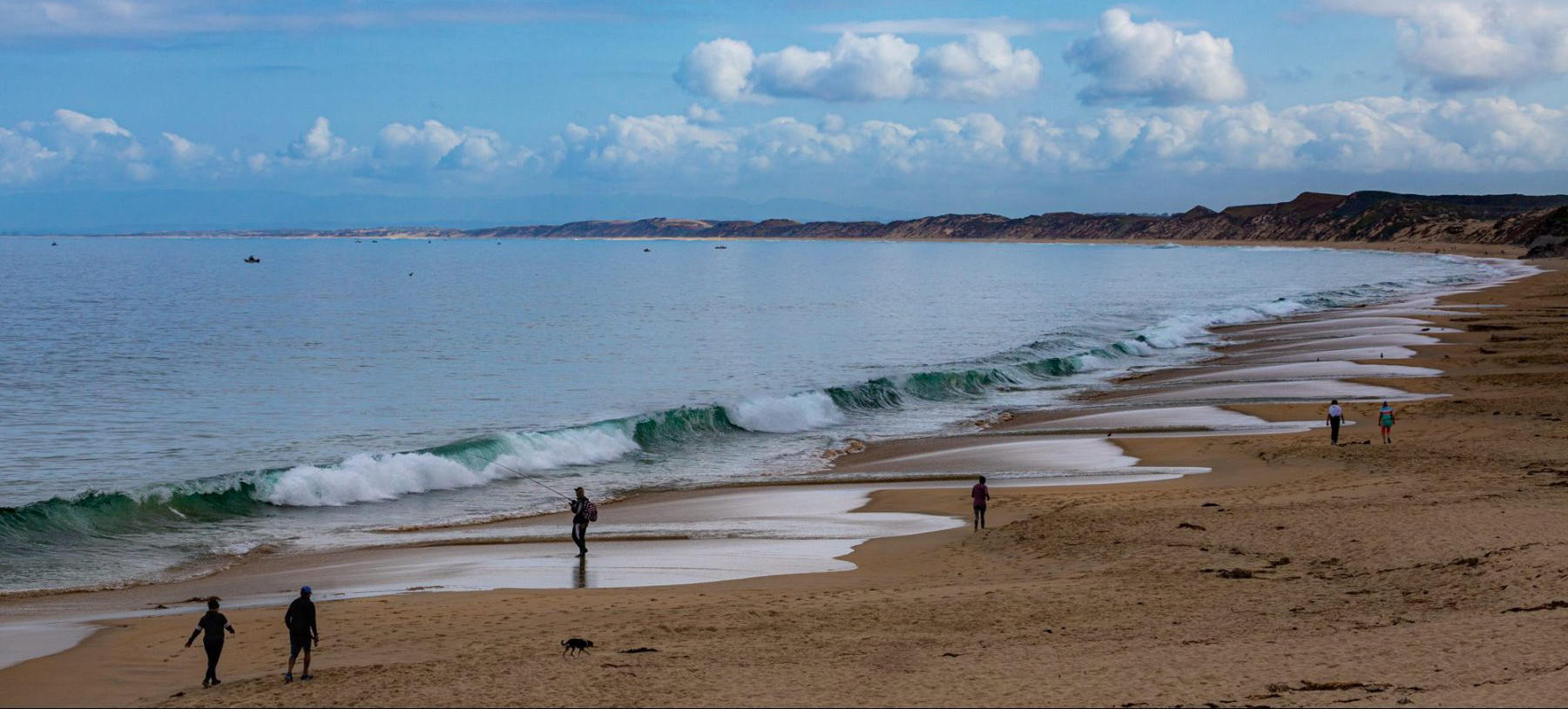
Low tide art gallery
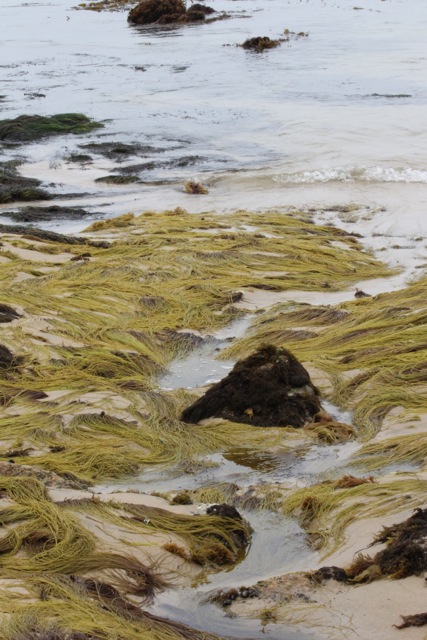 As is usual for June, the sky this morning was gray and gloomy. However, the ocean was inviting with a low tide of -0.82 at 8:15. Hidden tidepool treasures were exposed for easy viewing.
I couldn’t help but add to my mini-portraits gallery with shots of sea grasses, sea anemones, barnacles, algae, sea hares, sandcastle worms (a favorite of mine), chitons, mussels and many more unnamed tidepool invertebrates. For details about local common intertidal organisms, visit the SeaNet website. Enjoy.
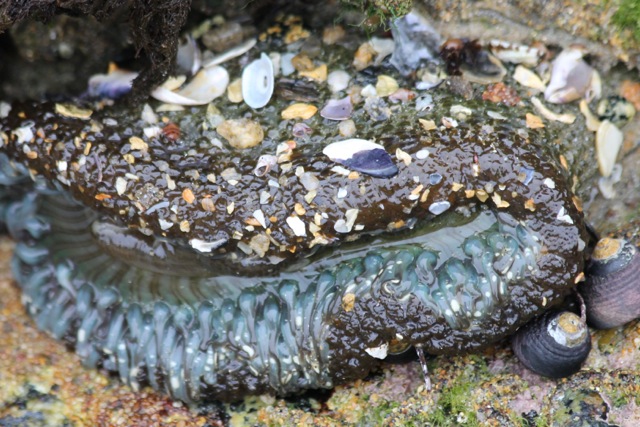
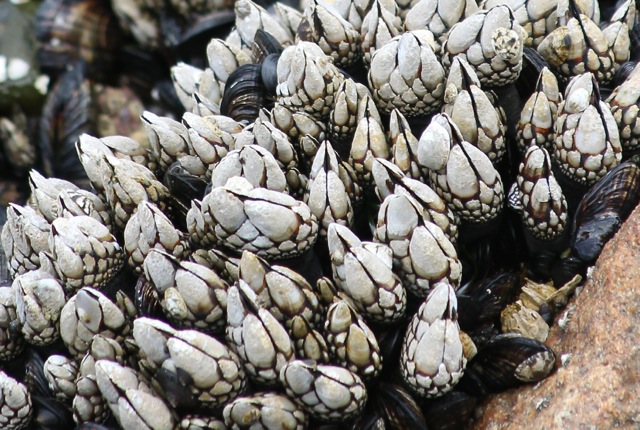

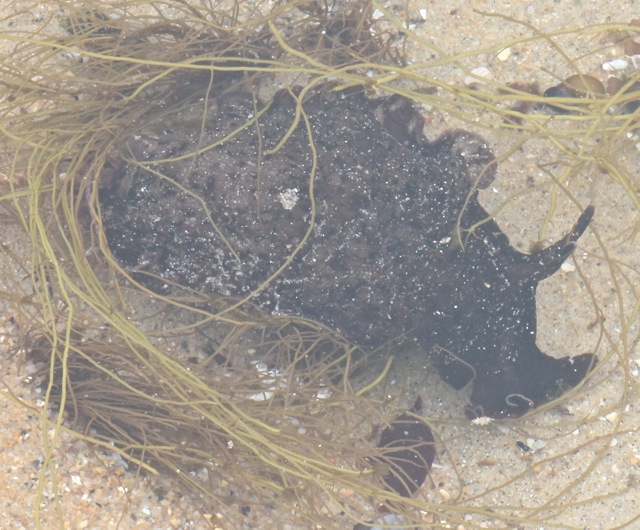
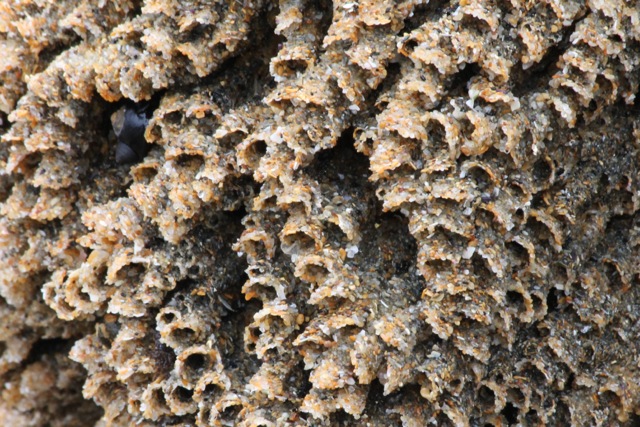
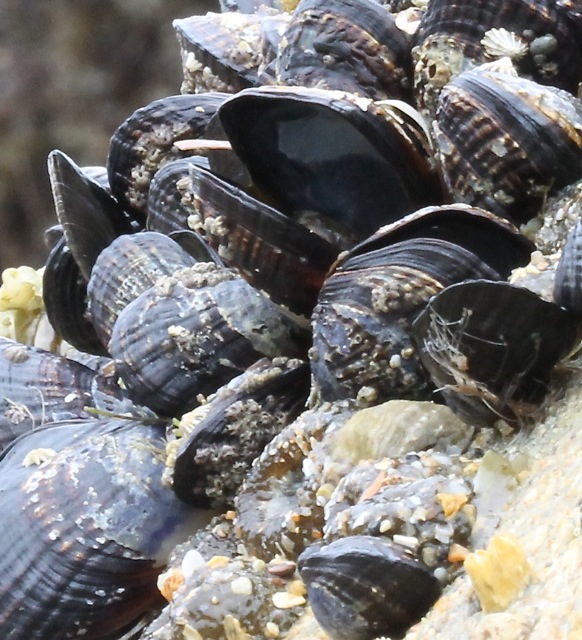
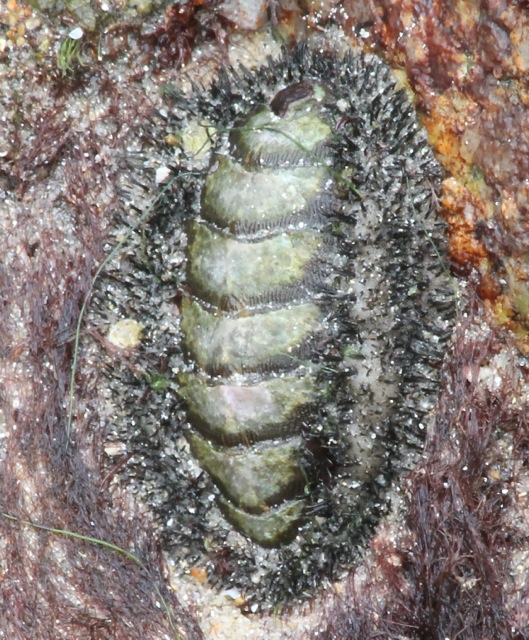
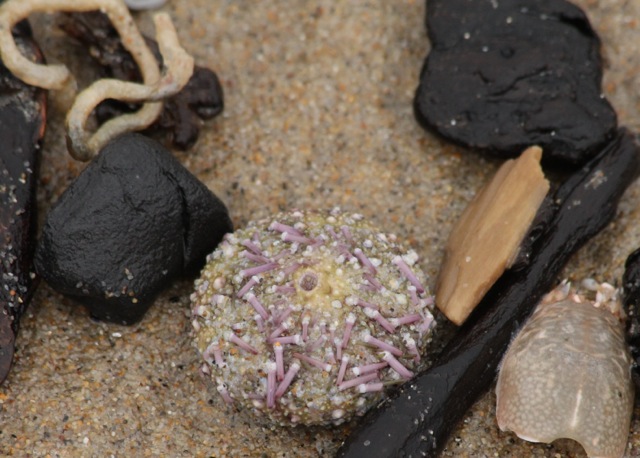
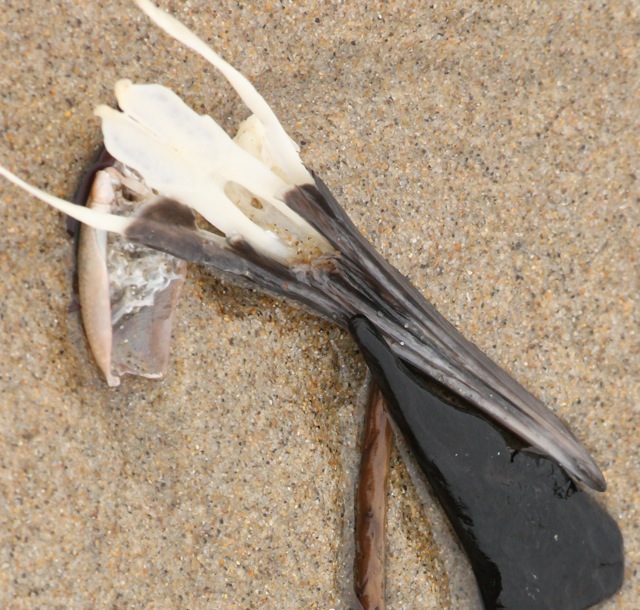
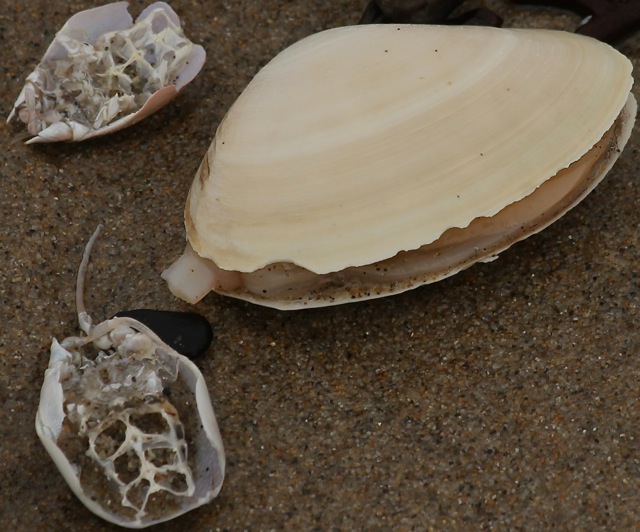
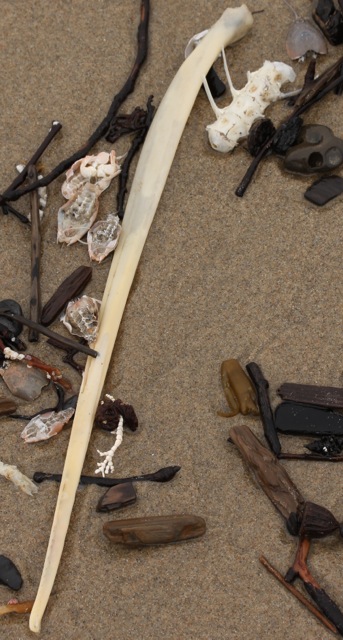

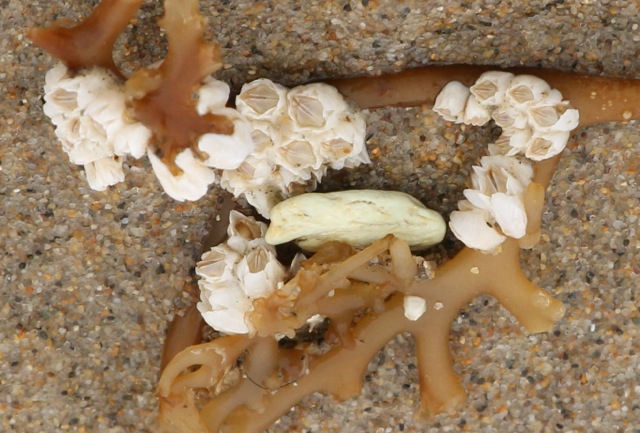
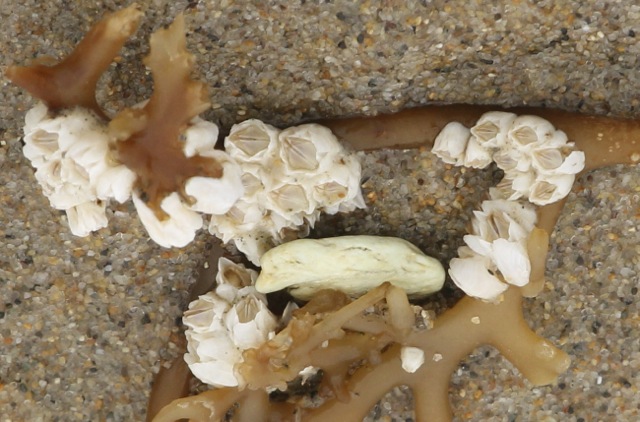
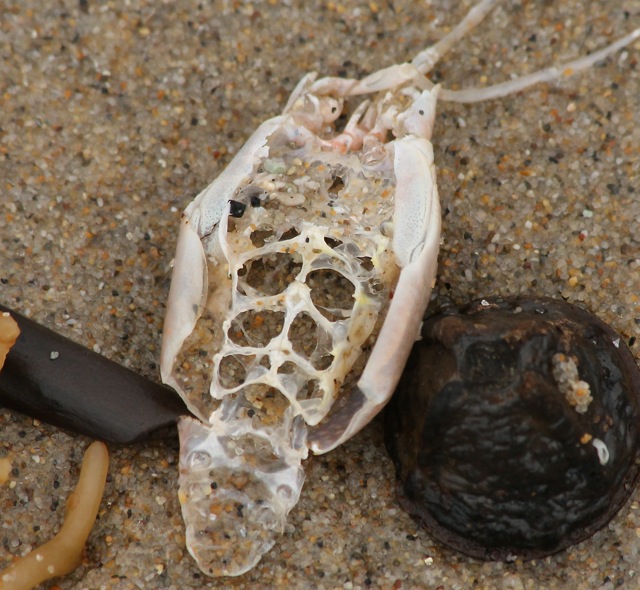
Tideline art gallery
The co-action of waves, surge, sand and tides leaving shells, bones, wood and algae creates constantly changing tideline art galleries. Enjoy the mini-portraits of this ephemeral seaside artwork.
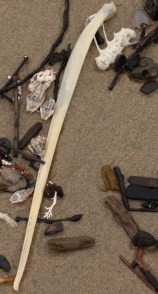
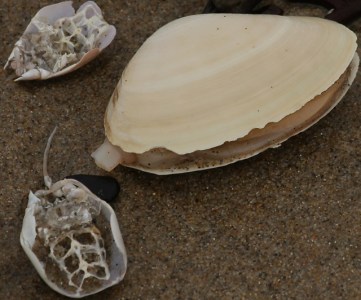
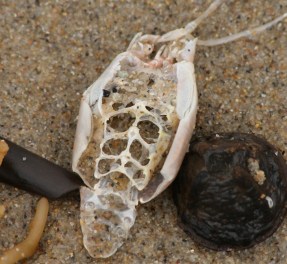
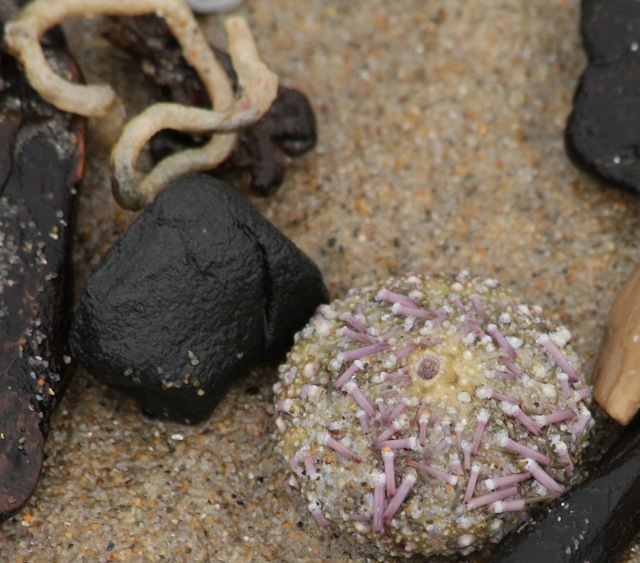

Nature is calling
 Join the David Suzuki Foundation 30×30 Challenge by spending 30 minutes a day in nature for 30 days in May. Enjoy yourself, get healthier and become more familiar with your local environment.
Nothing says living like nature.
Bad spring for California sea lions
 It looks like another bad spring for sea lions, especially in Southern California, although we’re also seeing some signs along the Central California coast. This spring thousands of sea lions, mostly youngsters, that are weak and undernourished are showing up on California beaches. Rescue centers are overwhelmed. According to NOAA, for the month of January 2015, California sea lion strandings are over five times the average rate when compared to previous records.
The cause for this year’s strandings is unknown at this time, but during a similar 2013 event, the cause was attributed to the lack of available prey, mostly fishes.
Here’s information from a previous blog post if you want to report a sick, weak or dying stranded sea lion, or want to support the organizations who are collecting and caring for these animals. We only hope we don’t see a repeat of the mortalities of 2013-2014.
For NOAA’s answers to questions about this year’s sea lion strandings, download their FAQ document.
Sea star wasting: A recovery?
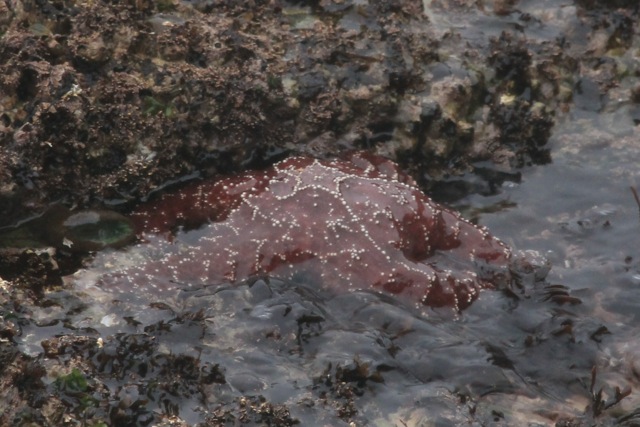
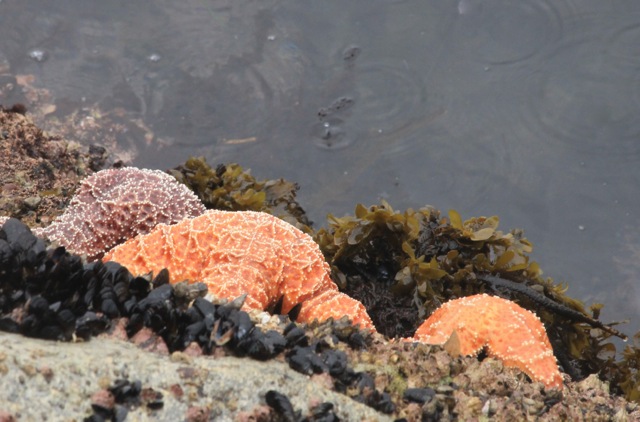
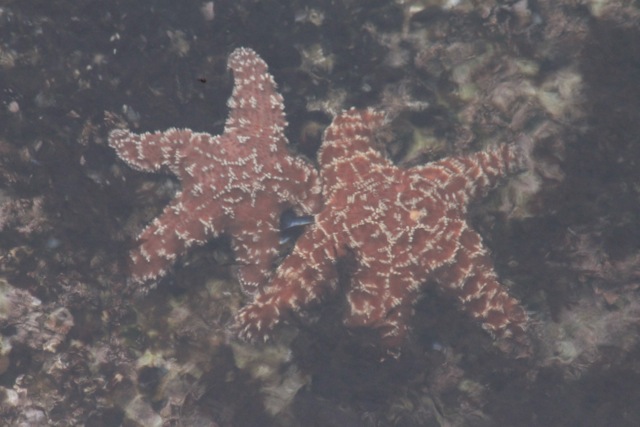 I never thought I’d be thrilled to see a few sea stars (starfish). But after nearly two years of bad news regarding sea star wasting syndrome (they literally melt into oblivion), there’s some good news.
First, scientists know the cause — it’s a virus. Knowing the source is a great start! But it’s a virus that’s been around for a while and has never before wreaked such havoc — killing sea stars all along the North American west coast. So, there are still a lot of questions that need answering: Why so deadly now? Are there contributing factors? How has this changed the shoreline community (sea stars are major predators)? Will the virus strike again in the same way, and if so, when?
The other good news is our sea stars are coming back. Along the Monterey Coast Guard Breakwater today, I saw at least a dozen individuals feeding on the mats of mussels that have thrived since the local stars disappeared. I’m so thrilled to see them back.


 WordCraft.NatureFocus