WordCraft.NatureFocus

Bay-to-Beach Life Blog

World Oceans Day 2013

Saturday, June 8, is World Oceans Day.  This global event honors our blue planet and celebrates all that it means to us. The idea of a worldwide ocean day began in 1992, and in 2008, the United Nations General Assembly established June 8 as World Oceans Day. Many organizations support this event, including The Ocean Project and The World Ocean Network.
Celebrate Ocean by CM ParsonsAll along Monterey Bay there will be parties, activities and films this weekend. Here are the ones that I’m aware of (if there are others, let me know).

Save Our Shores Kick-off Party at Jack’s Patio, The Portola Hotel, Monterey, June 7

Beneath the Waves Film Festival at the Monterey Bay National Marine Sanctuary Exploration Center
Santa Cruz, June 8

Seymour Marine Discovery Center
Santa Cruz, June 8

Monterey Bay Aquarium Monterey,  June 8 and June 9

If you don’t live here, you can learn about what’s happening in your area by visiting the World Oceans Day Events List. The website also has information on others ways to celebrate and protect our oceans. Or, visit Twitter #worldoceansday.

If you can’t get to an event or spend some time with the ocean, here’s a lovely animated film with a sober message, Ideas for Change, Our Ocean, narrated by Dr. Sylvia Earle and produced by the World Economic Forum with the film company Lonelyleap. It’s perfect viewing for World Oceans Day.

Celebrate for conservation’s sake!
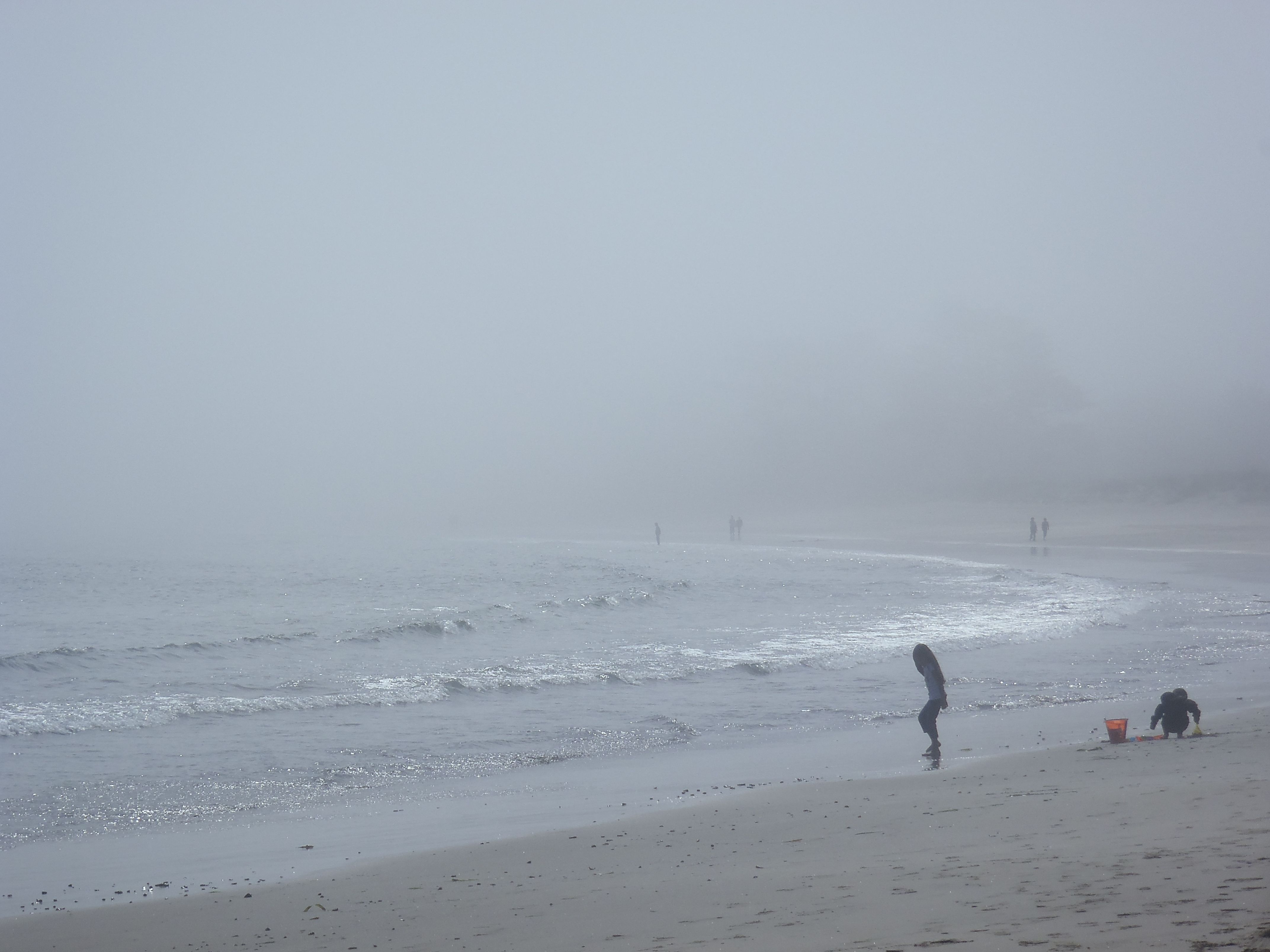


June gloom fog

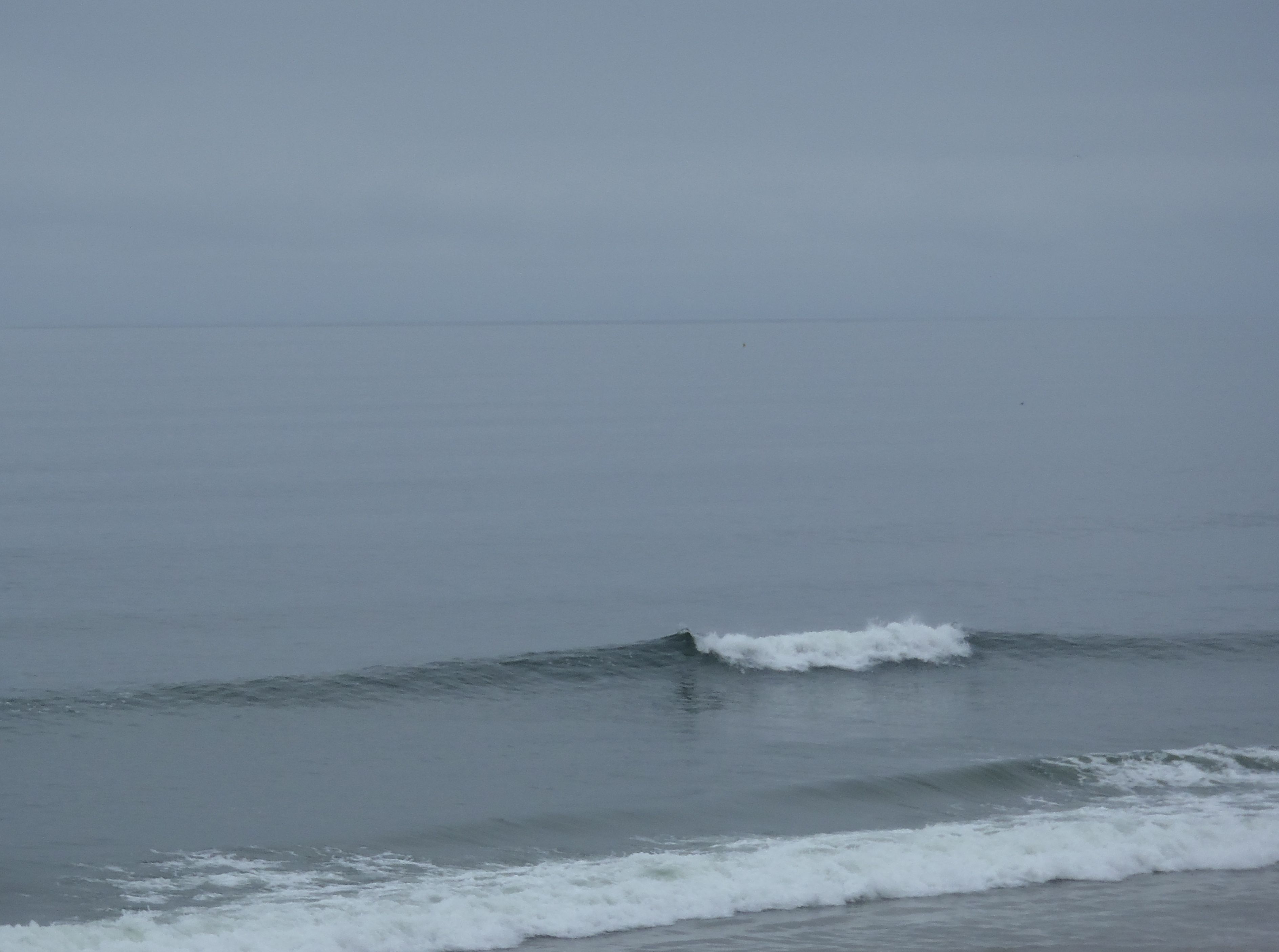
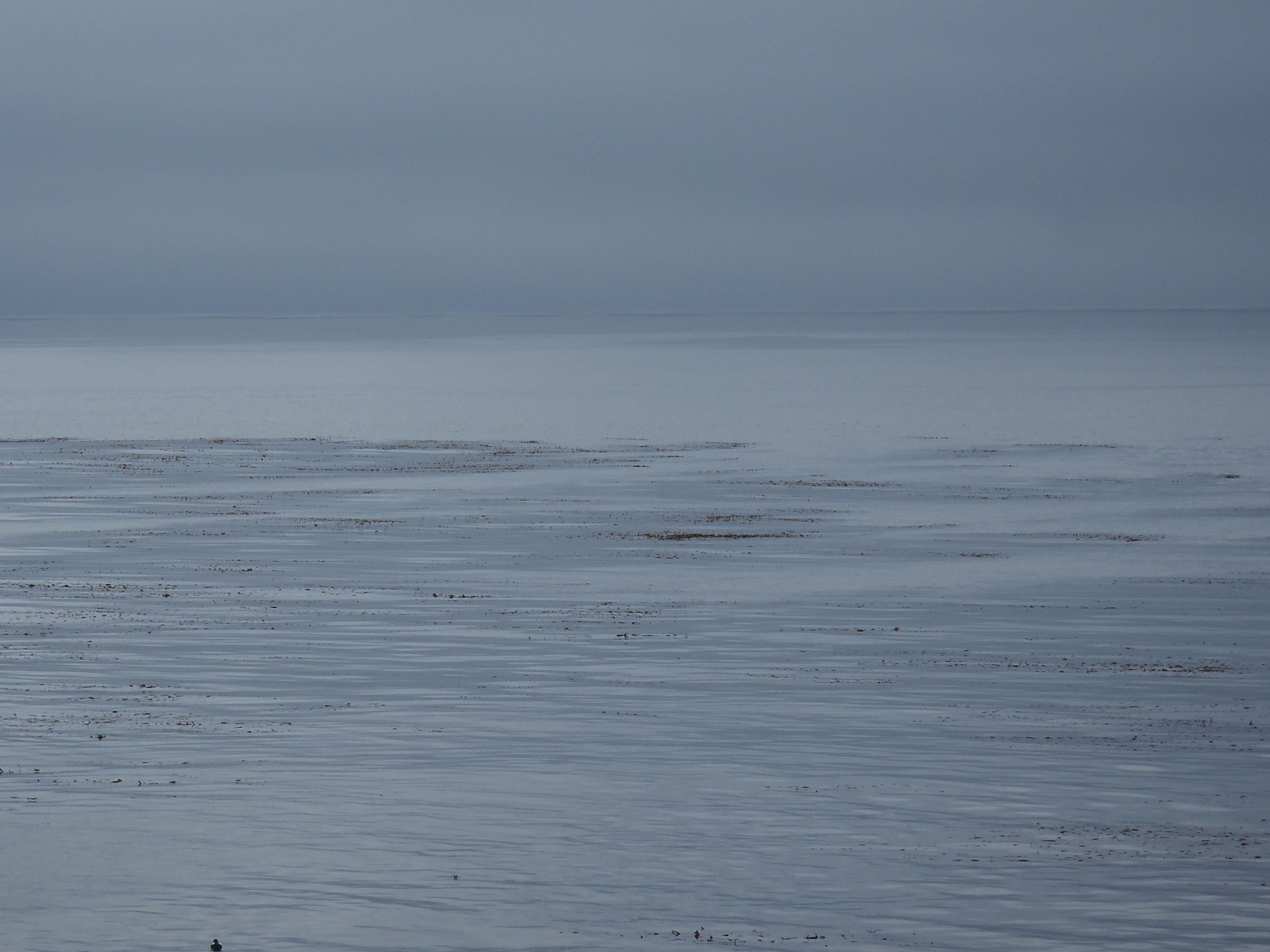
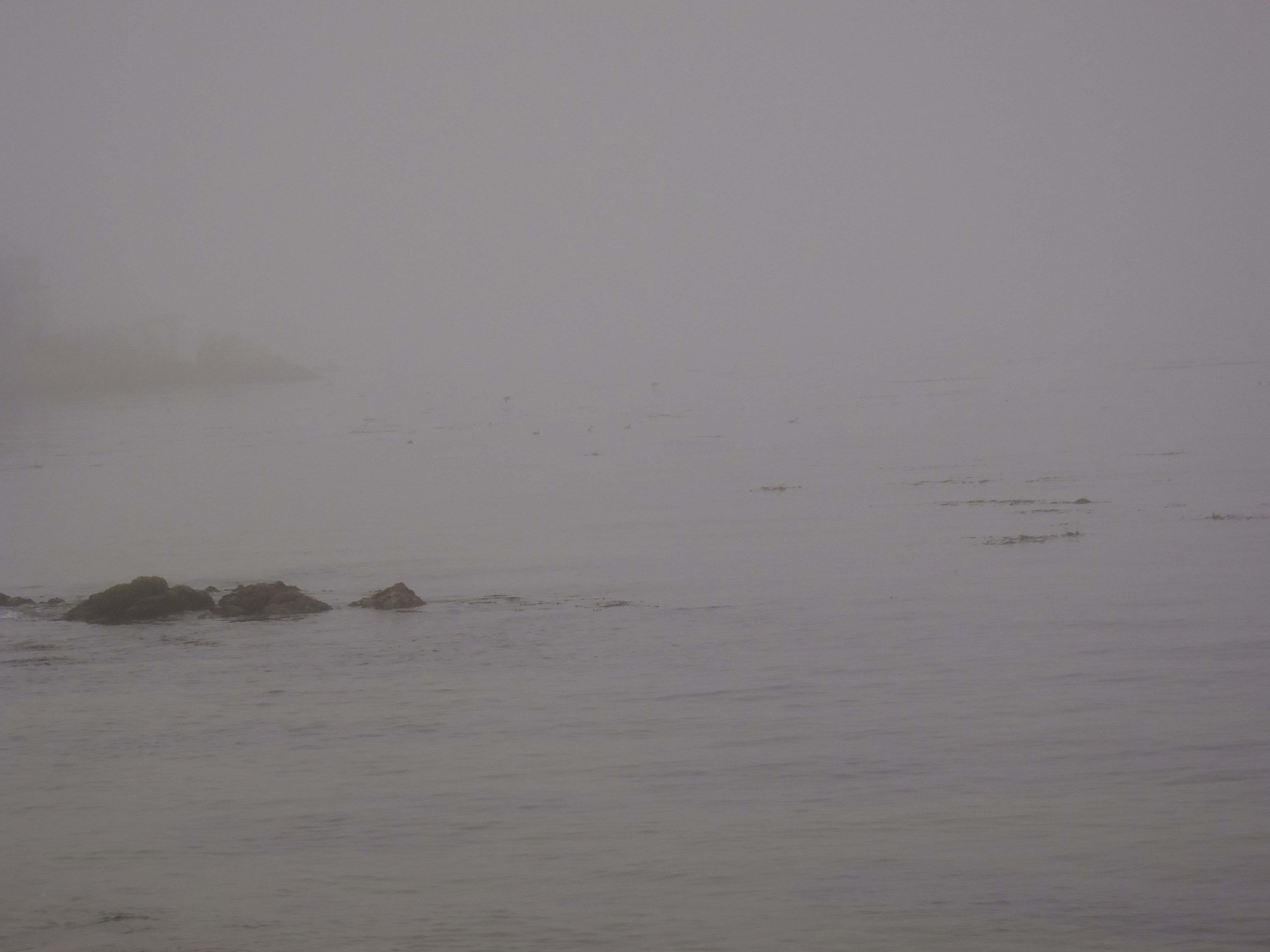
Yesterday, the sky was bright blue and the breezes gentle. It was a warm spring day. But that was yesterday. Today, Summer fun fog by CM Parsonssadly, June gloom arrived — that gray blanket of wet summer fog. Although this may not sound like a downer, especially if you’re sweltering right now, but when we’re ready for fun and games at the beach, fog dampens the fun. And it’s not just today — it won’t warm up here until August (so this may be one of many fog blogs).

Fog5 by CM ParsonsI hated the fog when I first moved to the Monterey Bay area. Where I came from summers were warm, not numbingly cold. Although attributed to Samuel Clemens (Mark Twain), he never said, “The coldest winter I ever spent was a summer in San Francisco.” But that sentiment perfectly captured my initial reaction to Monterey Bay summers — chilly, wet, monotonously foggy all day every day for weeks.

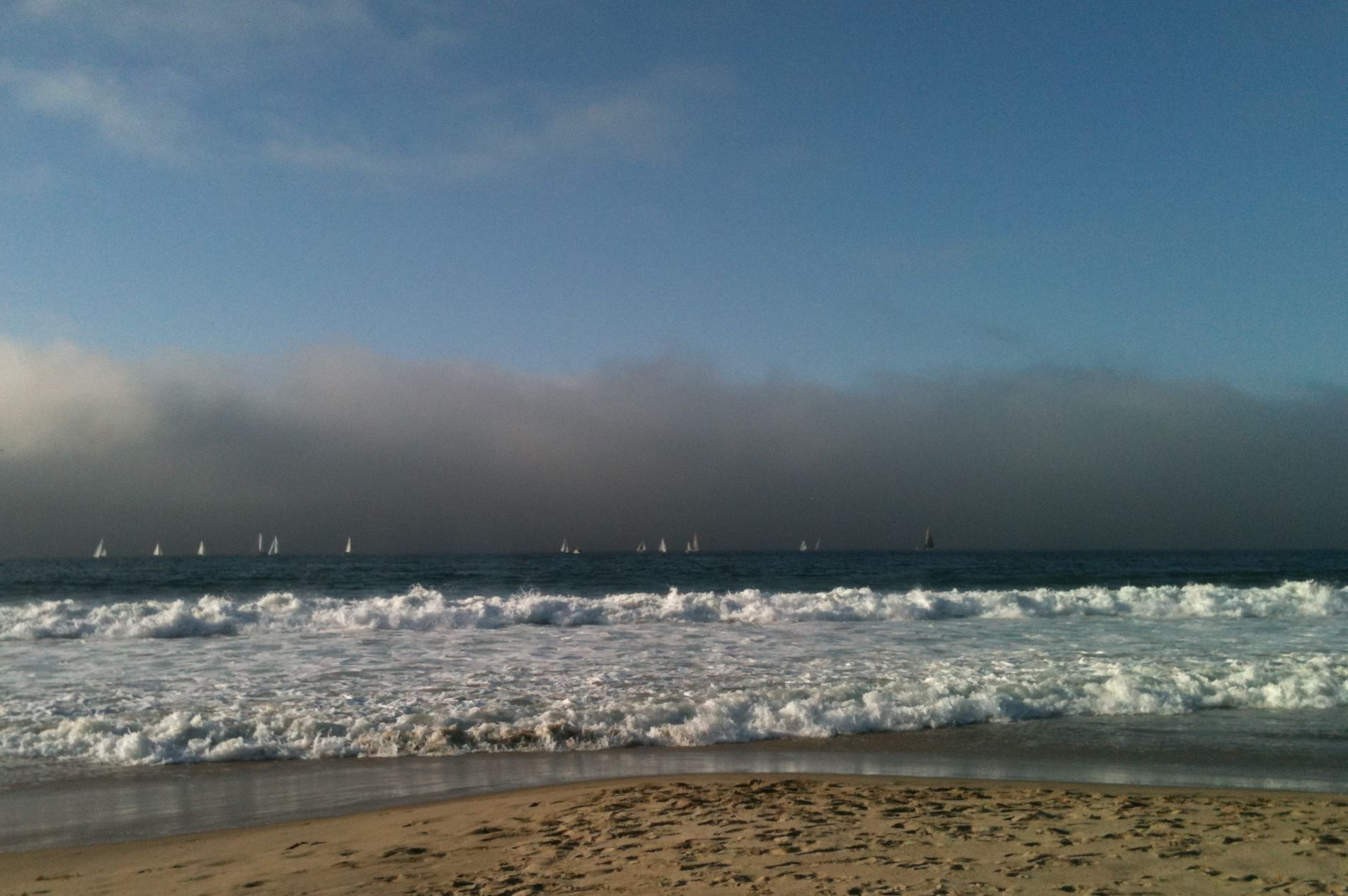
Why are our summers so cold? Basically, warm moist air from over the Pacific meets cold nearshore upwelled water (brought to the surface by spring northwesterly winds and the Coriolis effect). When that moist air cools, it condenses, creating a dense layer of marine air or fog. (You can sometimes see a fog bank sitting offshore, waiting to pounce.) Fog Bank by CM ParsonsDuring summer, inland valleys such as the Salinas Valley heat up and the hot air rises, which sucks in the marine layer, blanketing the coast in fog. The warmer it gets inland, the foggier we get along the coast, especially the Monterey area and Moss Landing. (For more complete descriptions of the interactions of pressure systems, winds, currents and temperature differences that create our fog, visit Seasons in the Sea.)

Paddleboard in Fog by CM ParsonsOur June weather forecasts are consistently, “low clouds and fog.” (When clouds drop to ground level, that’s fog.) Yesterday, the high temperature for Monterey was 70° F and Santa Cruz was 80° F
(21° C and 26.5° C respectively, a temperature difference between the two ends of the bay that’s typical). Today, the expected high for Monterey is 59° F and for Santa Cruz is 65° F (15° C and 18° C respectively), and the humidity is about 78%. (It’s foggy out there.) Our cool ocean is about 54° F (12° C) and that won’t change much until maybe late August when it might warm to 60° F (15.5° C). Welcome to our summer.

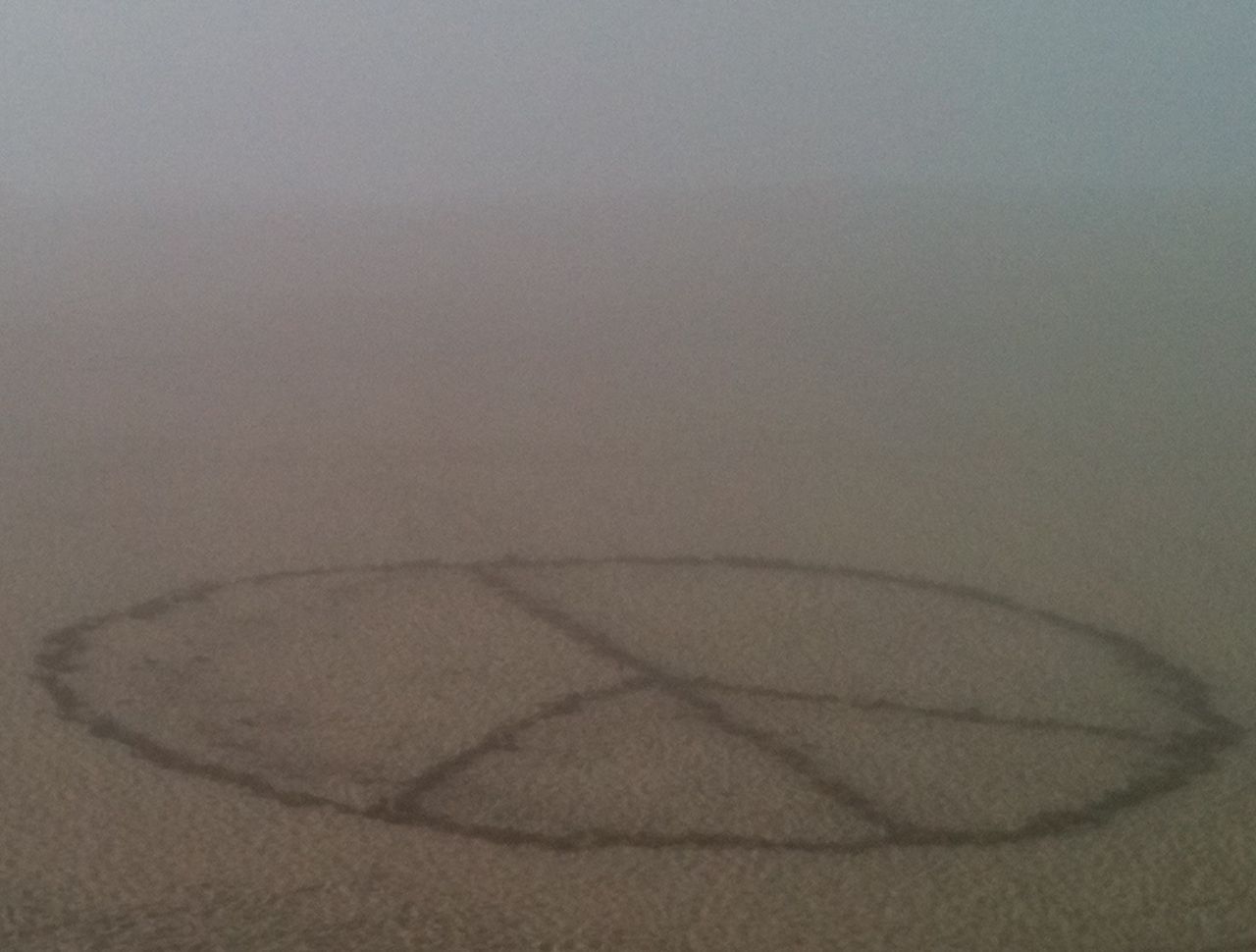
Peace in Fog by CM ParsonsAfter decades of living with June gloom, I’ve made my peace with the fog. I bundle up when I go outside or get on the water so I don’t feel so cold. (I often dress warmer for summer than I do for winter.)

Creeping Fog by CM Parsons


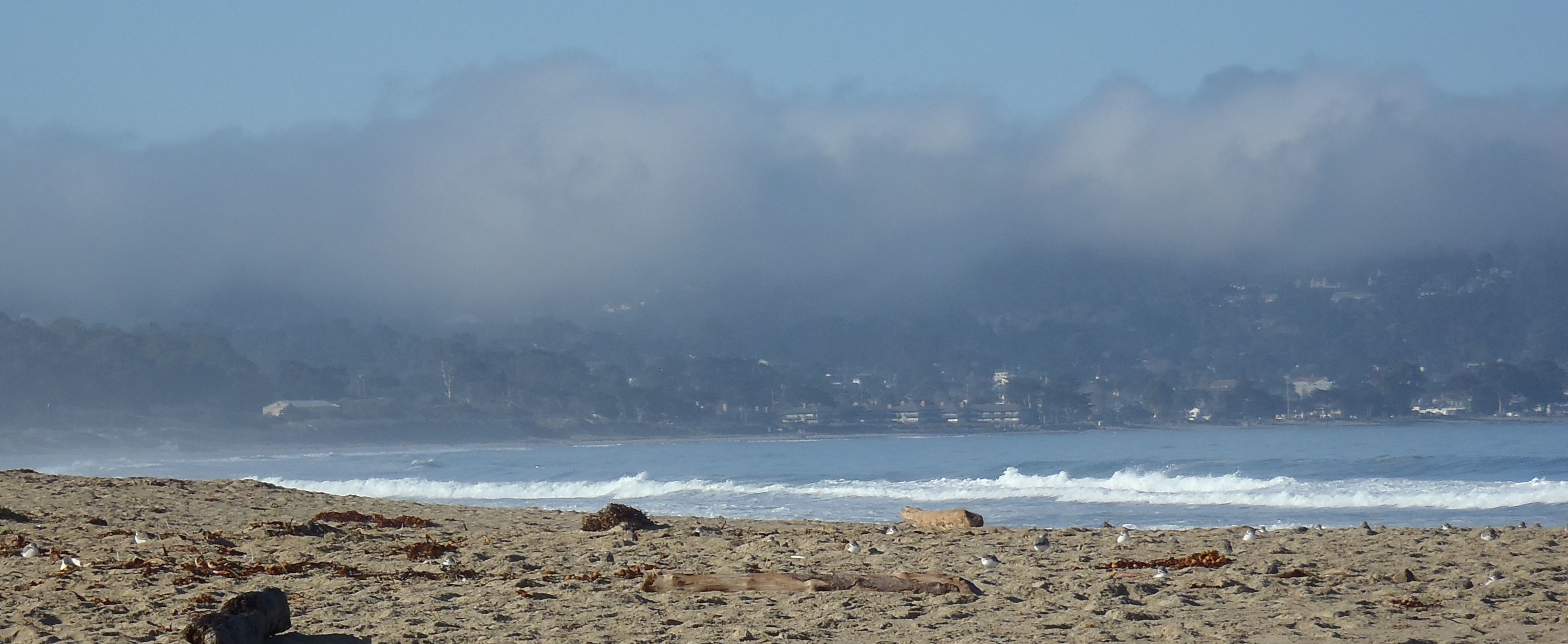
I take pleasure in watching fog banks as they creep in and out, up and over the hills and across the ocean.

Fog Light by CM Parsons


And when I’m on the water, I’m often dazzled by the play of light between fog and bay, and just let the soft colors and quiet soothe me.

~~~~~~~~~~~~~~
Sources
Seasons in the Sea: June Wind, Waves & Currents
SIMoN Archives: Upwelling Along the Central California Coast
Weather averages for Monterey: WeatherSpark.com

Cormorant hatchlings

June 15, 2013

Update: June 15, 2013: 
Wow, triplets in a nest!


June 11, 2013


Update: June 11, 2013:
More hatchlings and growing families this week.

June 5, 2013

June 5, 2013


Update: June 5, 2013:
Hatchlings are growing rapidly.

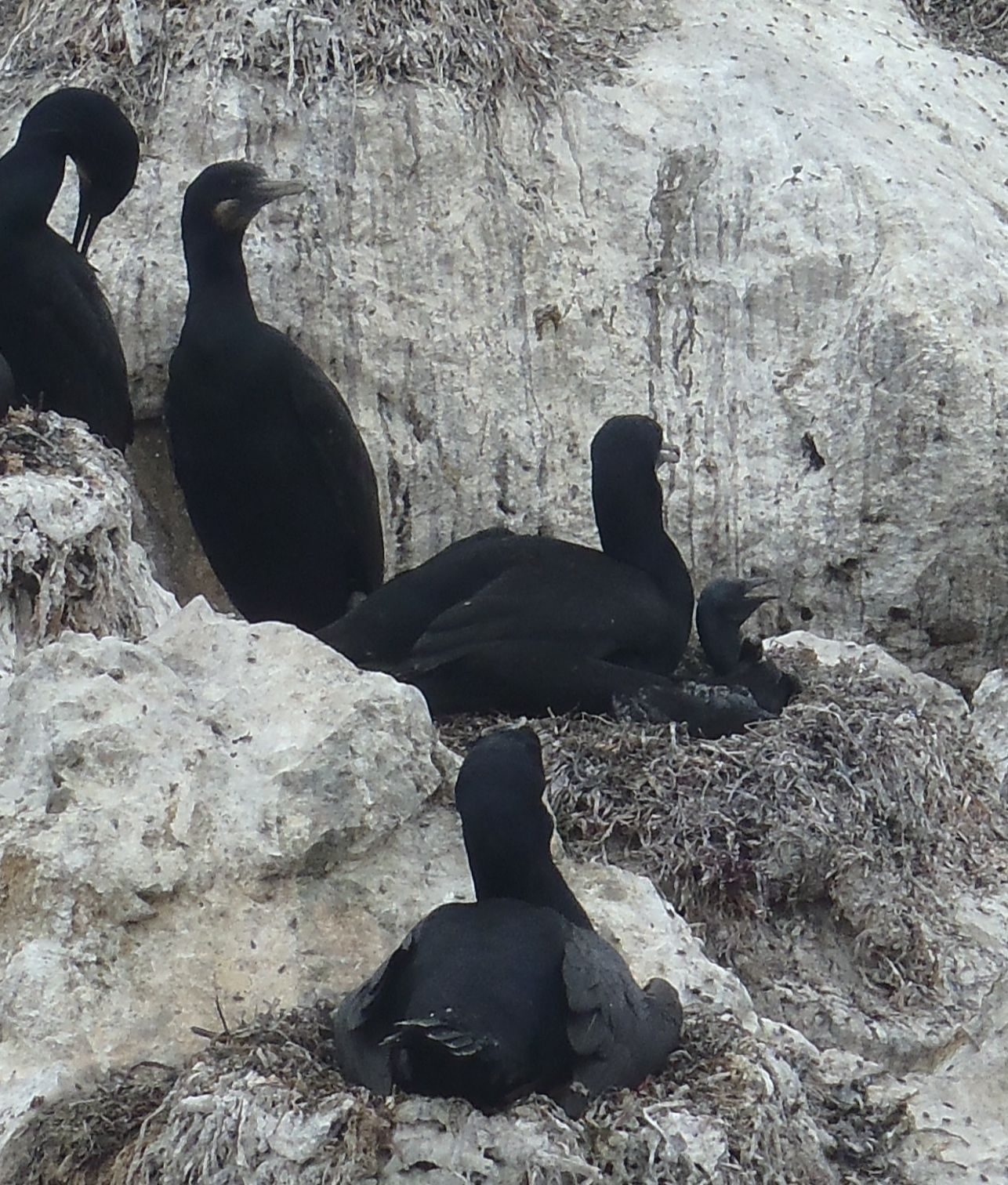
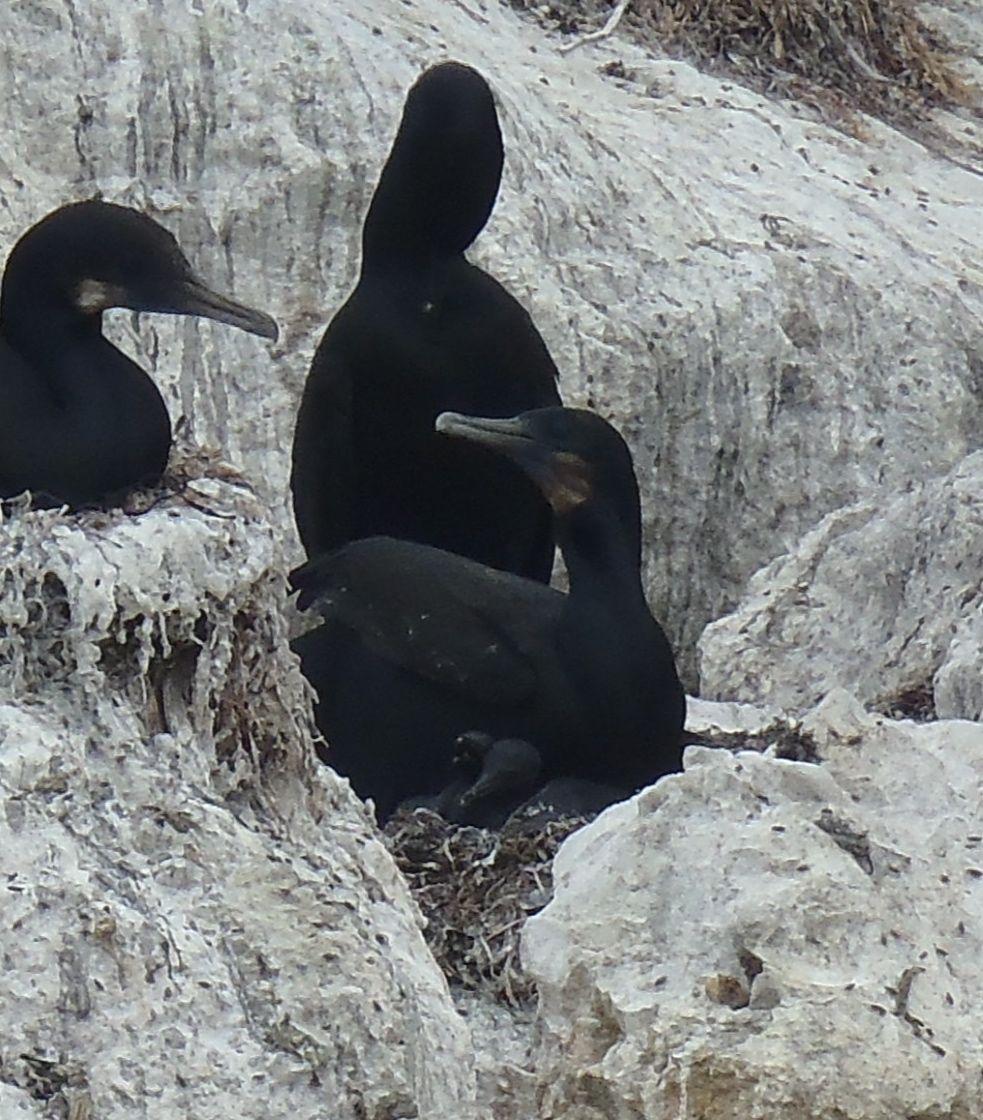
I started watching the Brandt’s cormorants on the breakwater in February when they evicted sea lions from the upper rocks. In April and May they worked ceaselessly building nests and tending them. I’ve watched the nest mounds grow, the rocks whiten and the sitting birds thin. This morning I spotted hatchlings.

Cormorant Hatchlings by CM Parsons

June 2, 2013

From the public overlook I was excited to find one nest with two young. This week I’ll kayak by to look for more on the less accessible end of the breakwater.

I look forward to watching the parents deliver meals to these young ones as they develop over the next few weeks.

Blown away by spring

Seaside signs of spring ~ color on dunes, birds on nests ~ wind-ruffled ocean

Spring along the edge of Monterey Bay is colorful, lusty and cold. Drab sand dunes gain dabs of color from flowering paintbrushes, lupines and seaside daisies. Songbirds and shorebirds brighten for courting and mating, build nests and busily nourish young. And the wind blows strong and cold. Our iconic sign of spring is the northwesterly wind.

Choppy Bay by CM ParsonsThis spring has been one of the windiest I recall. For weeks, we’ve had fairly steady 15 to 20 mph (13 – 17 knot) winds. From my window the bright blue sky entices me outside, but on a coast walk I get buffeted by cold winds until my bones chill. On the water, swells are fairly small (usually less than 4 feet or 1.2 m), but when combined with choppy wind waves that start building around 10 a.m., kayaking can get rough (I’m not a windy-water kayaker).

The northwesterly winds form along the boundary of low pressure that sits in the Gulf of Alaska and high pressure over the Pacific off California (called the Pacific High). Each morning we think we’ll get a reprieve when mild morning breezes flow offshore, but as the sun warms the land, the flow reverses, pulling onshore a cold wind that strengthens as the day progresses.

Kayak in Chop by CM ParsonsAlthough the strong winds are tough on beach walkers, kayakers and surfers, they’re great for sailors, kiters and whales. Because of the wind direction and the Coriolis effect, surface waters move to the right of the wind direction, that is, move offshore (not intuitive). This opens space along the coast for deep, cold ocean water to surface. The upwelling of deep nutrient-rich water feeds plankton blooms. Like blooming sand dunes plants, plankton blooms not only add color to the ocean but also food for a variety of plankton feasters — from krill and fishes to seabirds and whales. This is when humpback whales and blue whales arrive to scoop up giant mouthfuls of krill and fish (although the humpbacks arrived early this year).

Cormorant in spring wind by CM ParsonsThis is also a great time of year for raising young along the shore. With so much food in the bay, nesting cormorants can find fish for hungry chicks and just-weaned harbor seal pups can practice their hunting skills. So although the winds restrict some of my fun, it’s a high-flying time for wildlife in and around the bay.

~~~~~~~~~~~~~~
Sources
NOAA Ocean Explorer: Upwelling
Seasons in the Sea: April and May
SIMoN Archives: Upwelling Along the Central California Coast
Resources
Pitcher,  G.C. et al. (2010). The physical oceanography of upwelling systems and the development of harmful algal blooms. Progress in Oceanography 85(1-2): 5-32.

Spring shoreline moods

Monterey Bay’s seasons aren’t typical. They have none of the characteristics of the four seasons I learned about in school (no winter snow or summer sun), and none that most people associate with California (warm sunny beaches year-round). The bay does have four seasons, but you have to pay close attention to notice them:

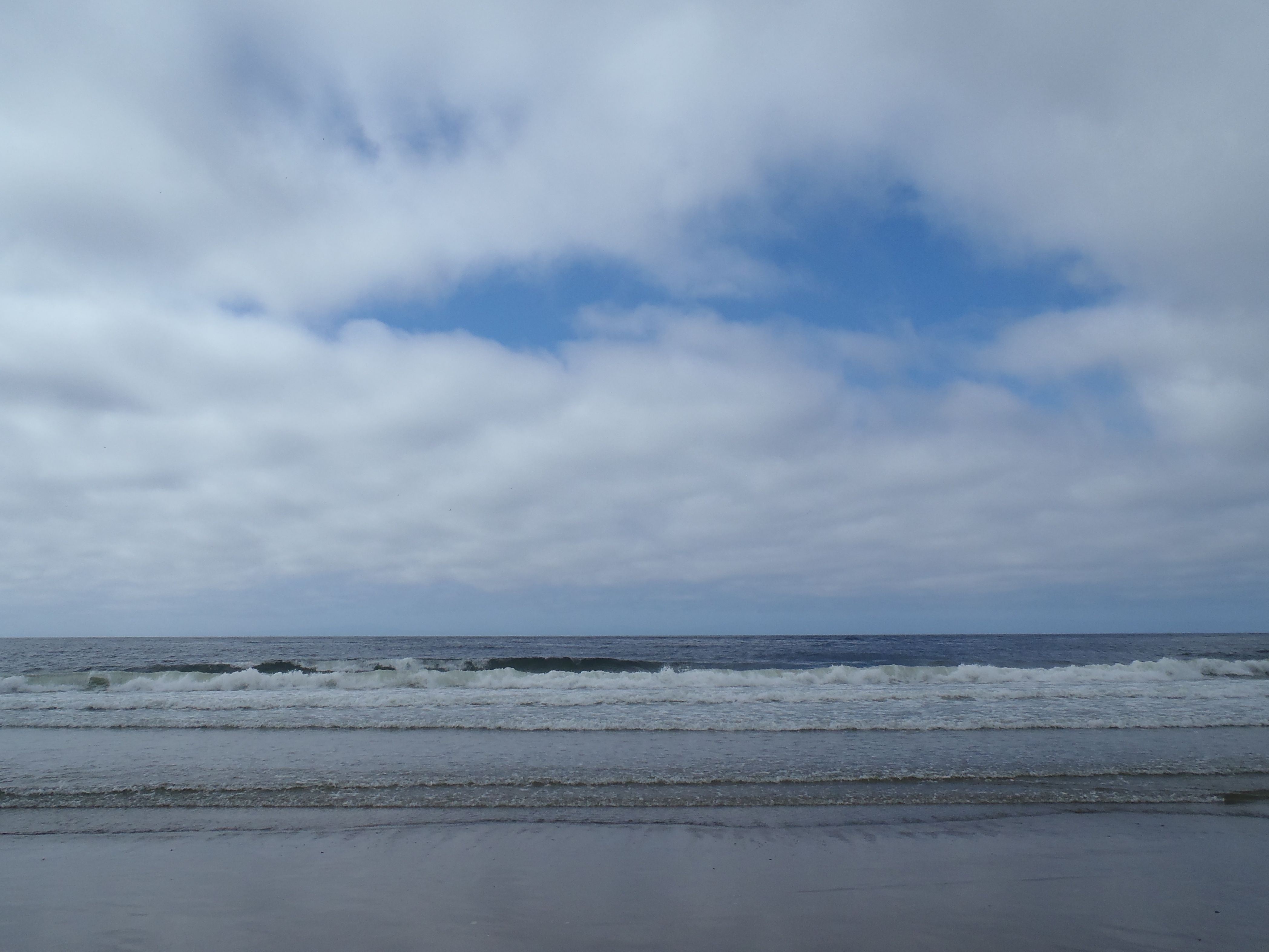
spring is windyWind across beach

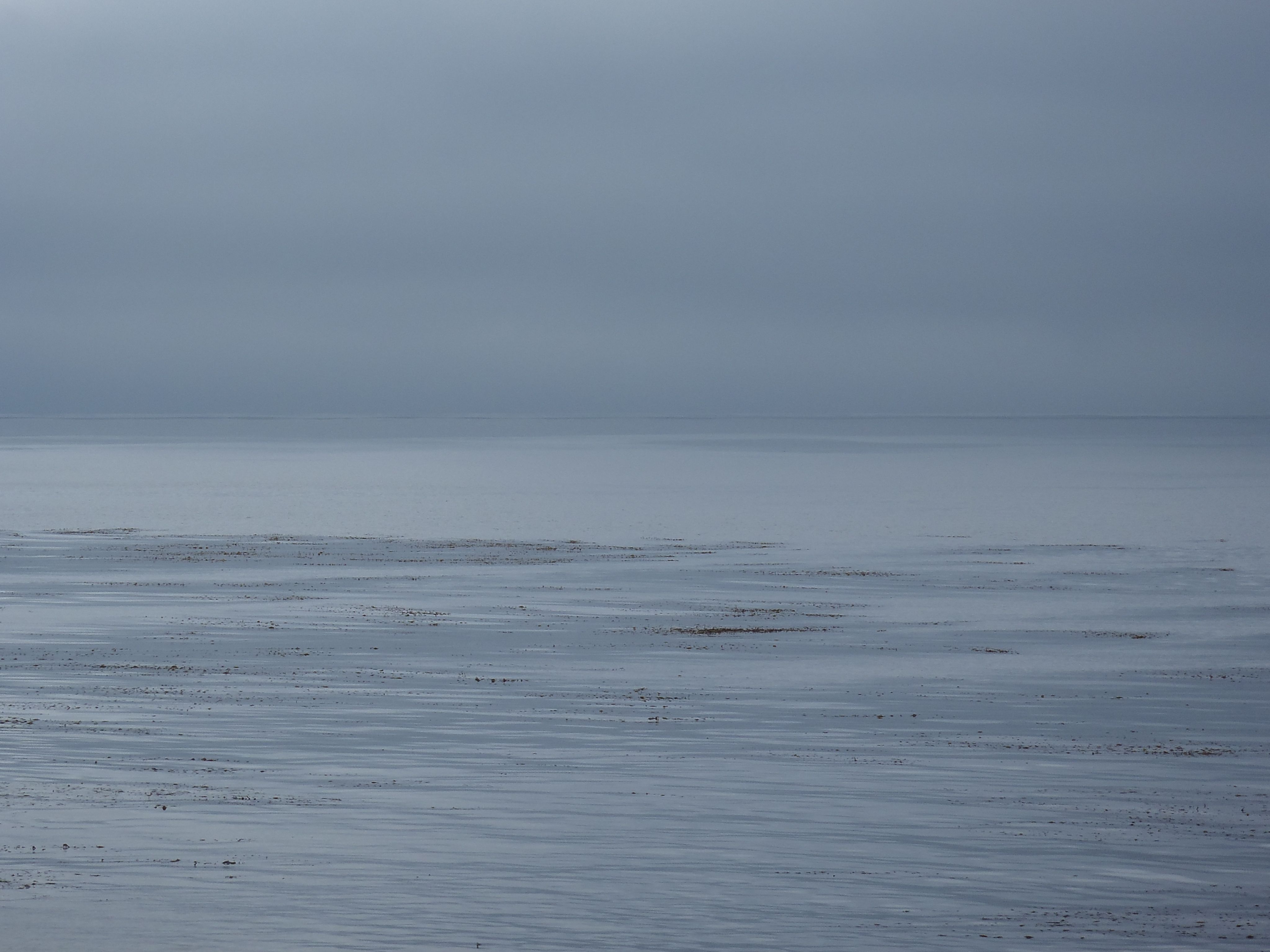
summers are foggyFoggy shoreline

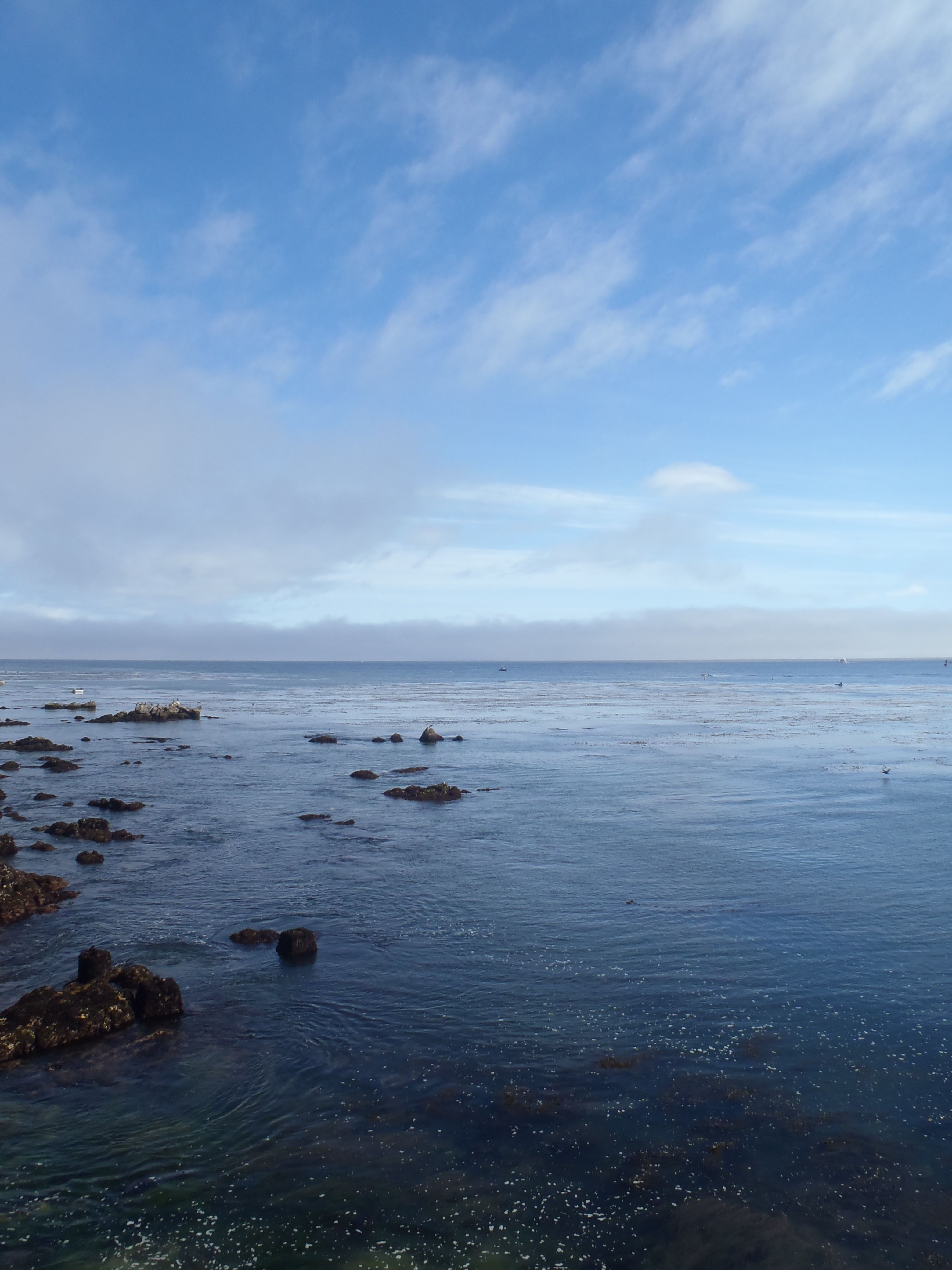
autumn is sunny and warmSunny day
winters are rainyClouds receding

(although we’ve had very little rain this year).

Like most places, our weather this time of year — the spring — is moody. It can be sunny and warm, or rainy and cool, or sunny and cold, or foggy and chilly, but more often than not it’s windy: flat water at daybreak each day turns wild with white caps as the winds build and blow. (The Pacific systems creating this regular spring pattern is dynamic and you can learn more from Seasons in the Sea.)

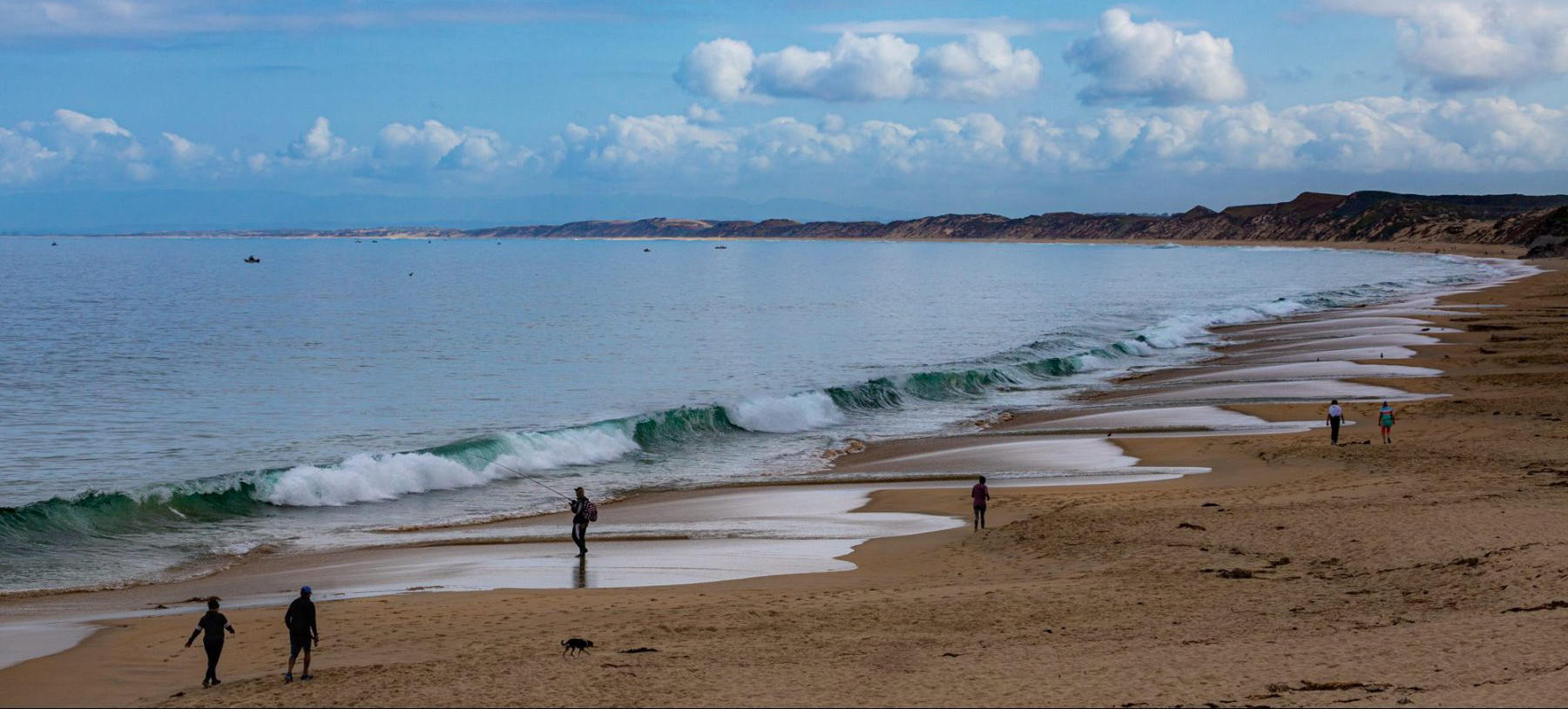
These photos illustrate Monterey Bay’s springtime moods — all were taken this April — a year’s worth of seasons in one month.

Foggy Monterey Bay by CM ParsonsI’m not fond of spring because the wind can be bitingly cold and rough waters make kayaking a challenge, but I do favor spring variability over the long monotonous months of summer fog to come.