
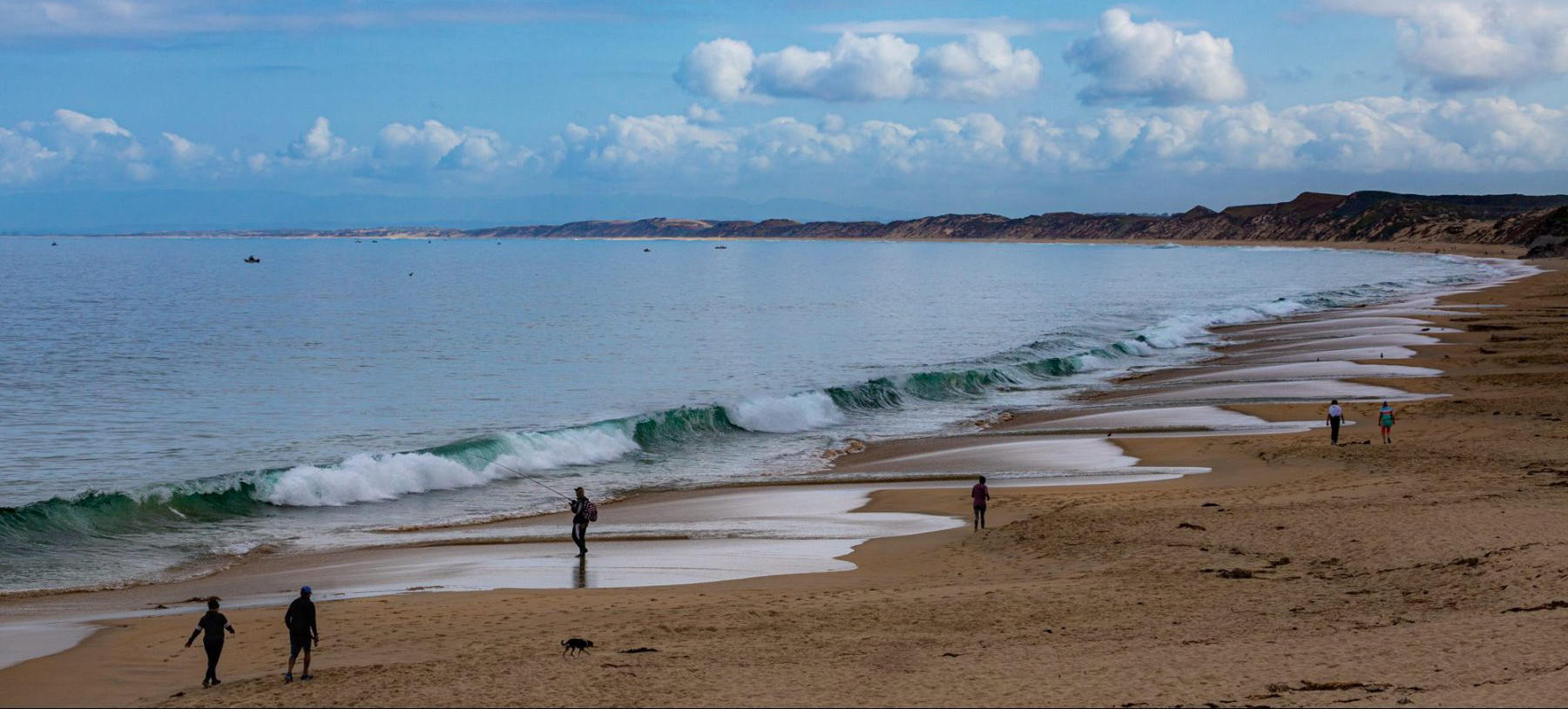
Elegant terns
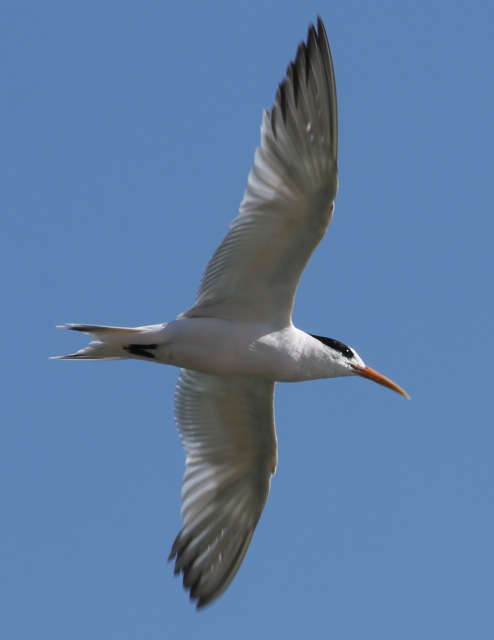 The elegant terns are back. For the past couple of weeks I’ve spotted them resting in the Monterey Harbor and feeding in the waters off Fisherman’s Wharf #2 and Del Monte Beach. They’re migrants, visiting us after nesting in Southern California and Mexico. According to the Cornell Lab of Ornithology, approximately 90-97% of all elegant terns nest in one colony on Isla Rasa in the Gulf of California — a seabird sanctuary since 1964. (Heermann’s gulls breed there, too, and are also back in the Monterey area.)
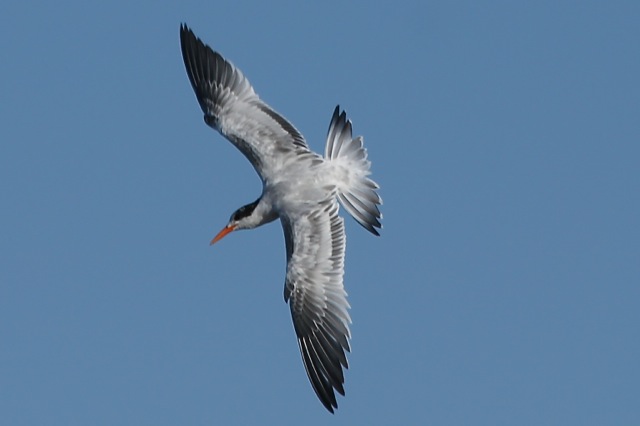 Elegant terns (Thalasseus elegans) are fairly easy to find. Just zero in on the midair squeeky-gate-hinge sound. It’s a medium-sized tern with a yellow-orange bill, short forked tail, and a full black cap (during breeding season). Right now, the forehead is more whitish and the cap looks like a slipping black toupee.
 Take time to watch them over the water soar, bank and dive into the bay for small fishes (anchovies mostly). If you’re fortunate, you’ll see an elegant catch.
Big Blue Live in town
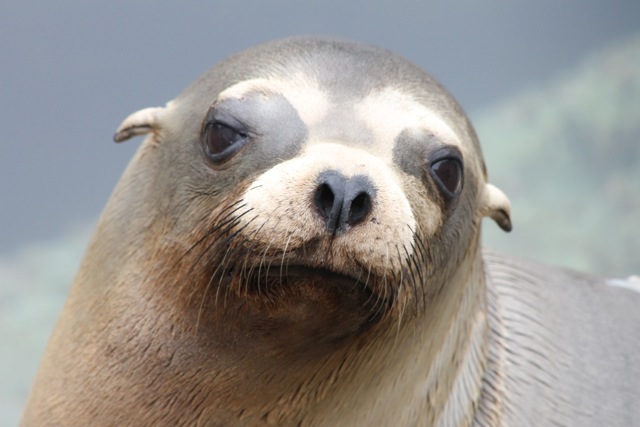 BIG BLUE LIVE, a production of PBS and BBC, with the Monterey Bay Aquarium and others, has been in town this past week exploring and filming our beloved Monterey Bay. The focus is on the fine shape the bay is in today versus 50 years ago. It’s not pristine, but it is amazing (as you know if you’ve been following this blog).
Bay life has been busy during the filming (putting on a great show) with feeding and breaching humpback whales and orcas hunting seals. But there’s so much more to see, which I’m sure they’ll share.
The production has already started playing in Europe. It begins showing in the U.S. on Monday evening, Aug. 31, and plays for three consecutive nights on PBS stations. Tune in and enjoy BIG BLUE LIVE.
Low tide art gallery
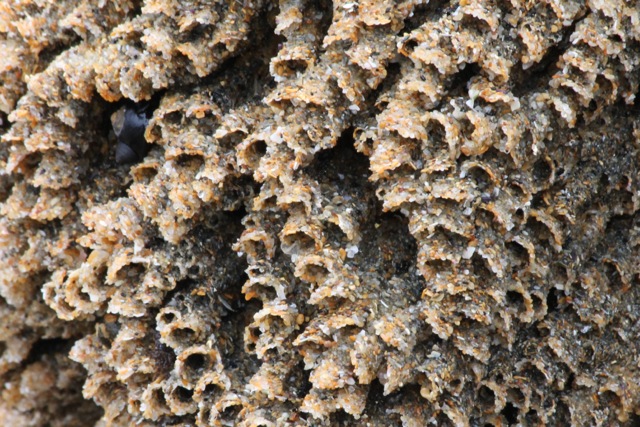
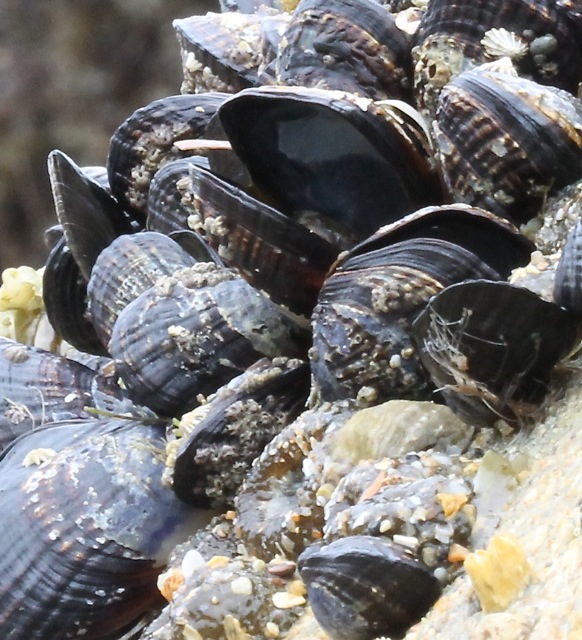
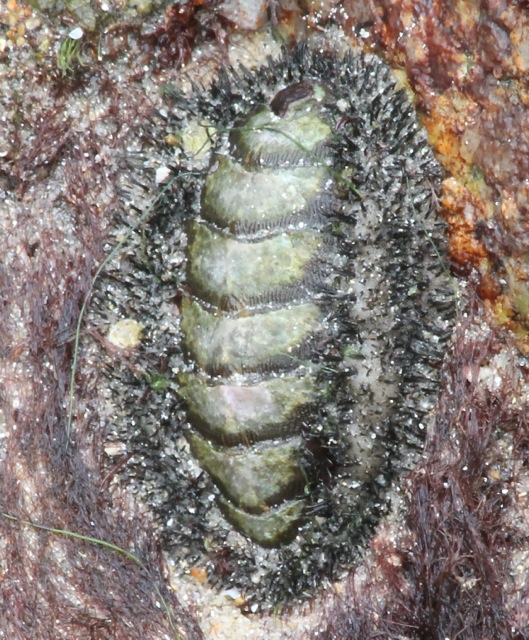
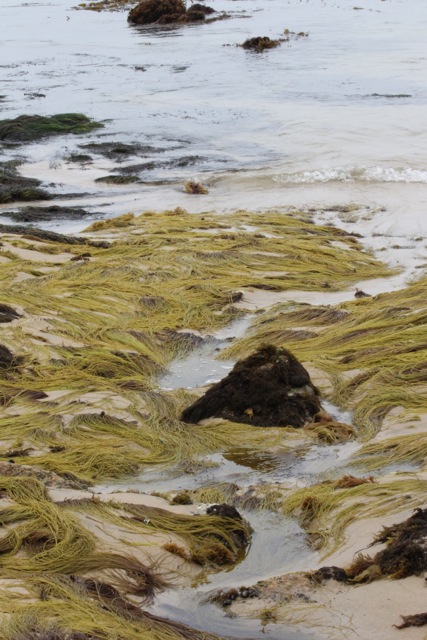 As is usual for June, the sky this morning was gray and gloomy. However, the ocean was inviting with a low tide of -0.82 at 8:15. Hidden tidepool treasures were exposed for easy viewing.
I couldn’t help but add to my mini-portraits gallery with shots of sea grasses, sea anemones, barnacles, algae, sea hares, sandcastle worms (a favorite of mine), chitons, mussels and many more unnamed tidepool invertebrates. For details about local common intertidal organisms, visit the SeaNet website. Enjoy.
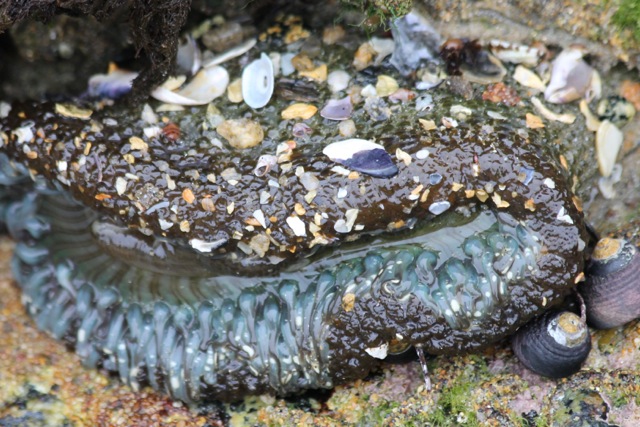
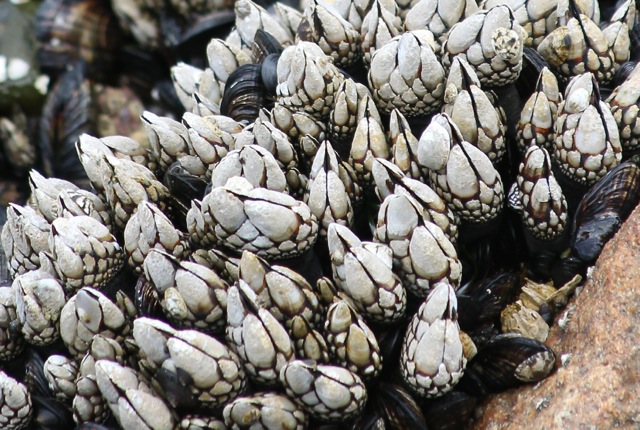

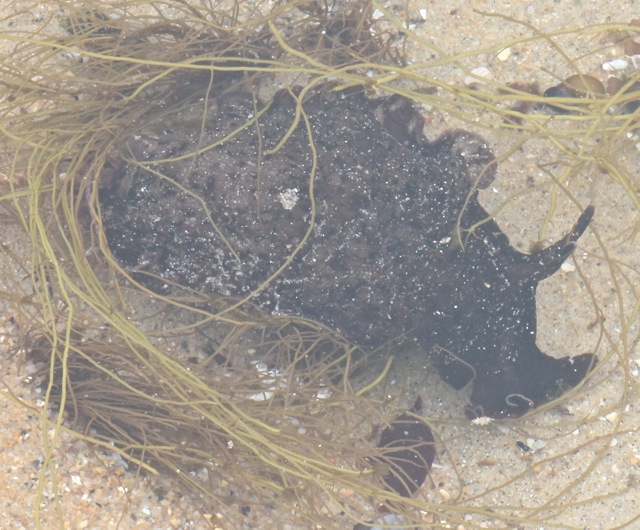
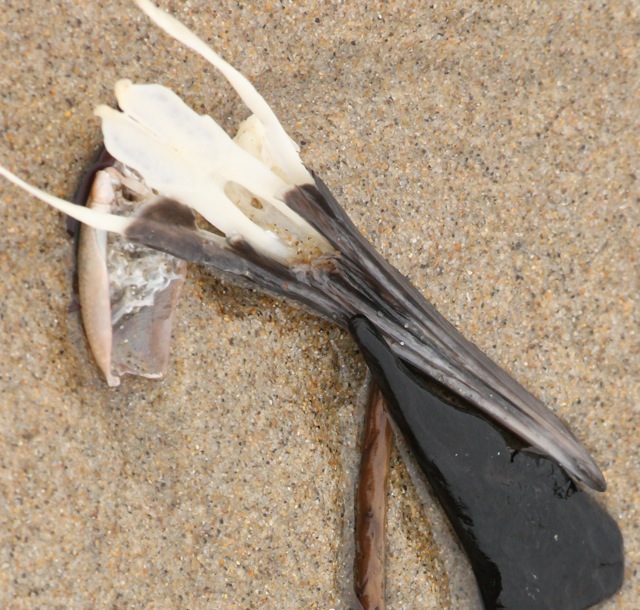
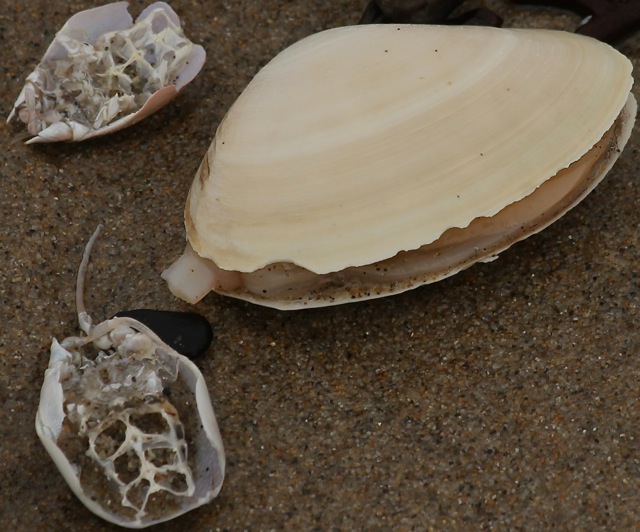
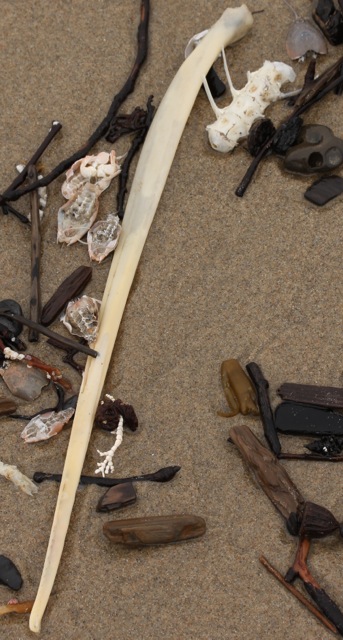

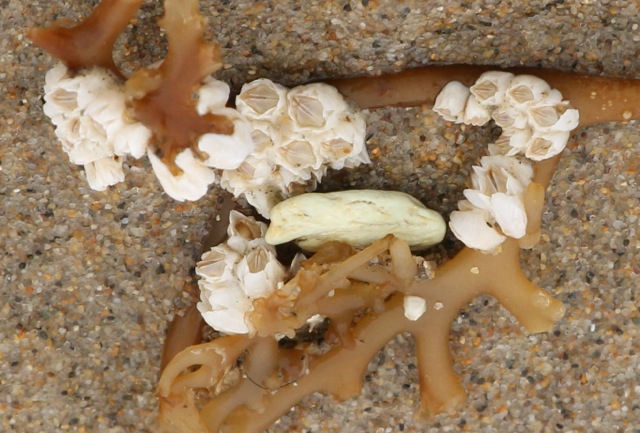
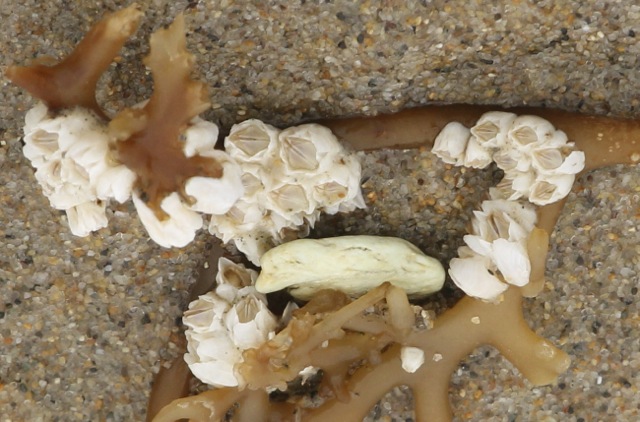
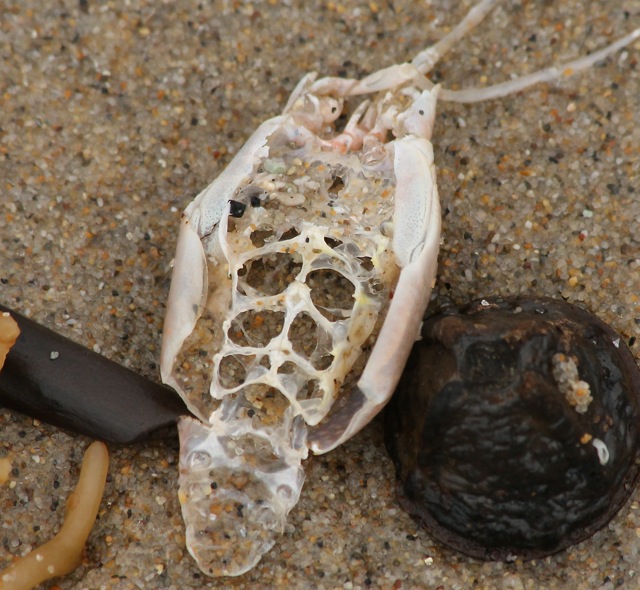
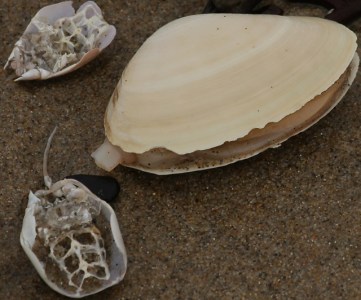
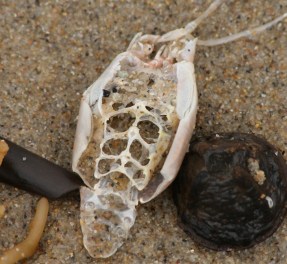
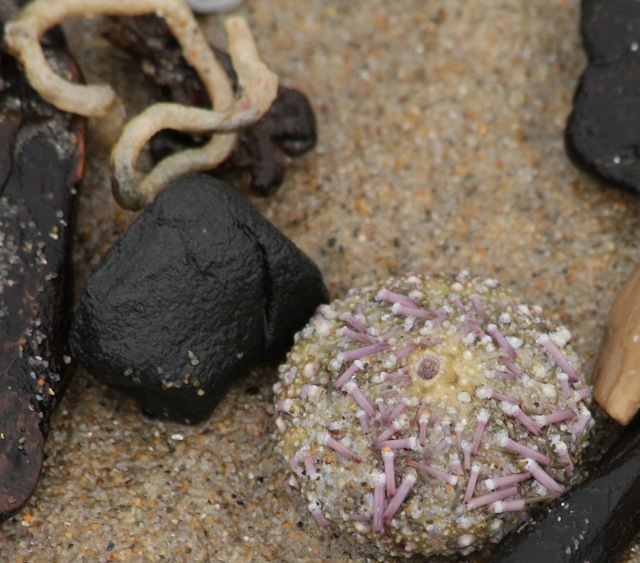
Tideline art gallery
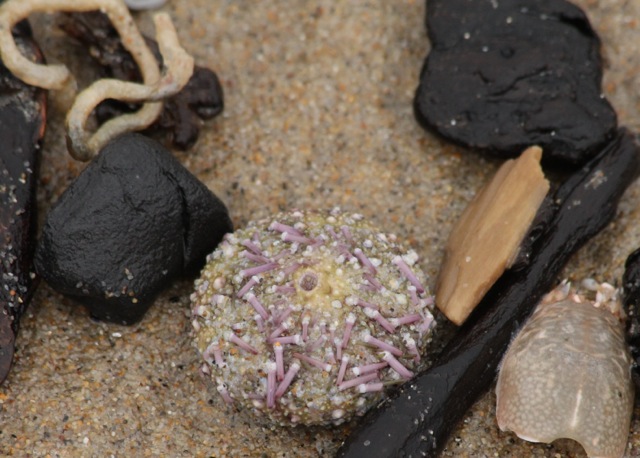
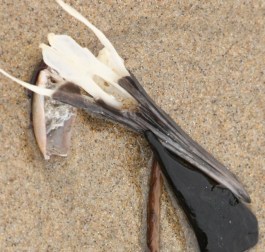
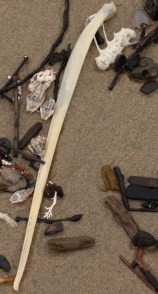
The co-action of waves, surge, sand and tides leaving shells, bones, wood and algae creates constantly changing tideline art galleries. Enjoy the mini-portraits of this ephemeral seaside artwork.

Nature is calling
 Join the David Suzuki Foundation 30×30 Challenge by spending 30 minutes a day in nature for 30 days in May. Enjoy yourself, get healthier and become more familiar with your local environment.
Nothing says living like nature.


 WordCraft.NatureFocus